





From band director to law school
Hunter’s most official training is in music education: a bachelor’s and a master’s,1 and seven years as a high school band director. He thought it would be his career for good. Then 2020 happened. “I was teaching wind instruments in an airborne pandemic,” he says, and he burnt out.
He went on to an MBA, got “nerd sniped by GPT-3, 3.5,”2 and from there to law school, trying to put himself somewhere he could contribute to whatever the new future would be. Along the way he kept building with each new generation of tools, learning engineering in real time from contributors with far more experience than him.
If vibe coding is a skill, I have gotten like more reps than is normal.
Six months ago, he says, being “pseudo online famous in China” would have made his brain explode.3
6:33First contact with GPT
In his first week of business school, in the fall of 2022, a whistleblower from the 2008 financial crisis came to speak: someone who had sat in the board meetings, seen that the subprime mortgages weren’t working, spoken up, and still couldn’t stop it.4
That stuck with him as AI arrived. He started running a thought experiment: NVIDIA’s dominance with CUDA,5 the idea of recursively improving intelligence,6 and what the law would do in response. Unless the right person was in the right position, he worried, the mechanisms would take over before anyone could intervene. That thinking is part of what took him to law school.
10:17Bell Labs, the transistor and the AT&T breakup
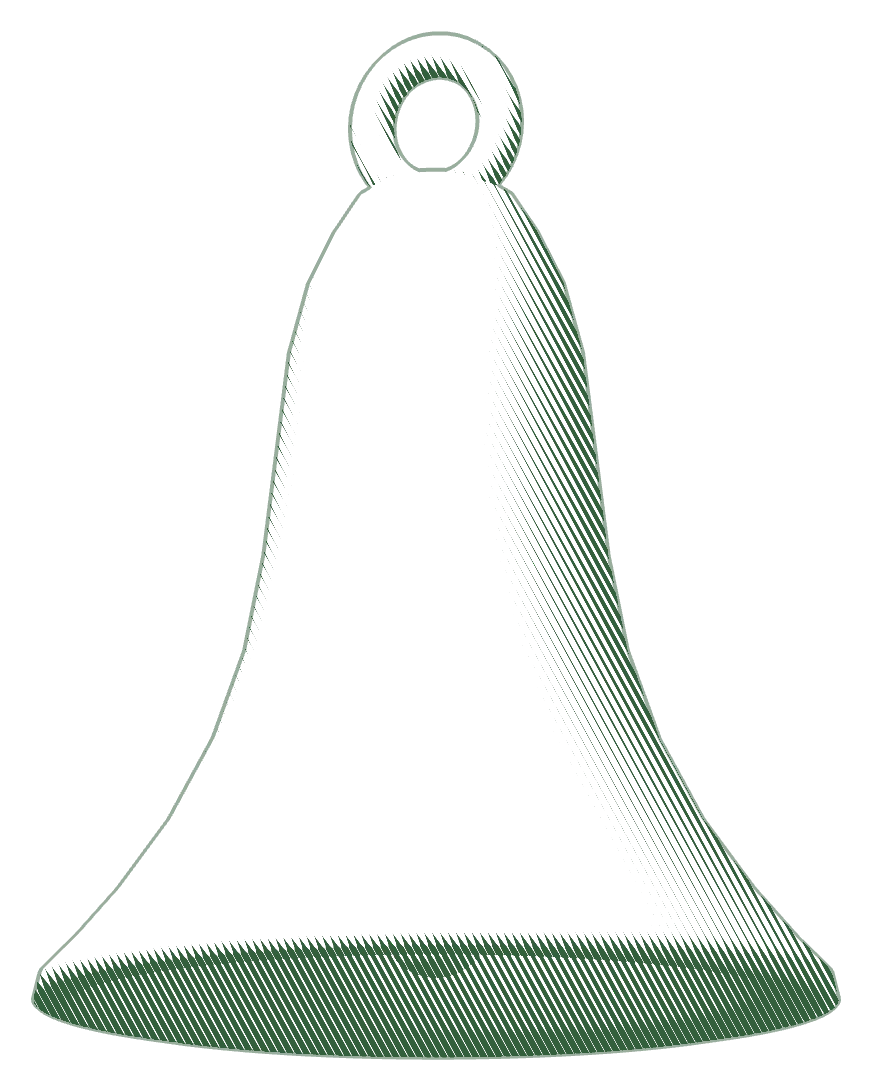
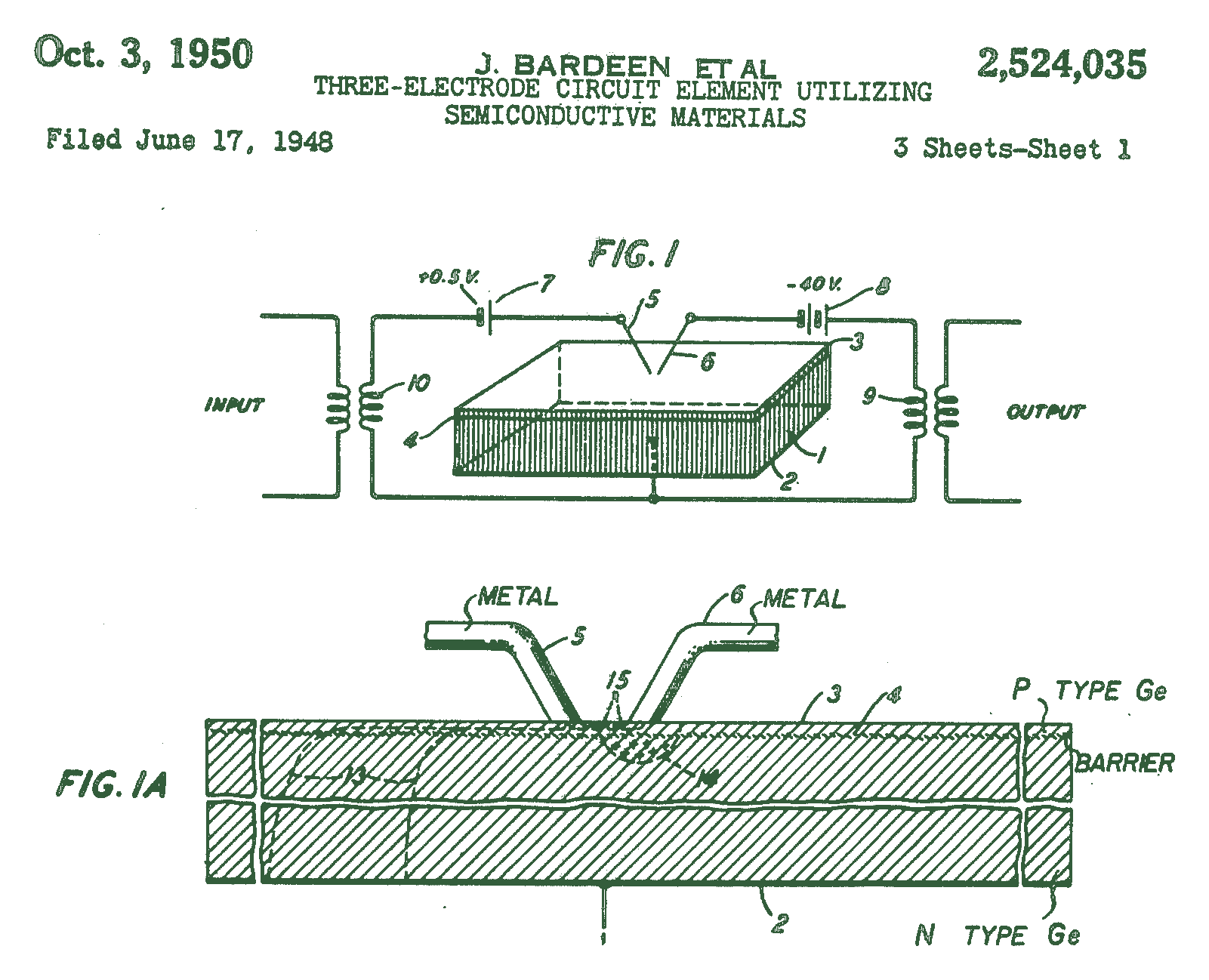
Hunter’s great-grandfather worked at Bell Labs, announced the transistor and held around 13 patents.7 The family story was that the government had screwed them over by breaking up AT&T.
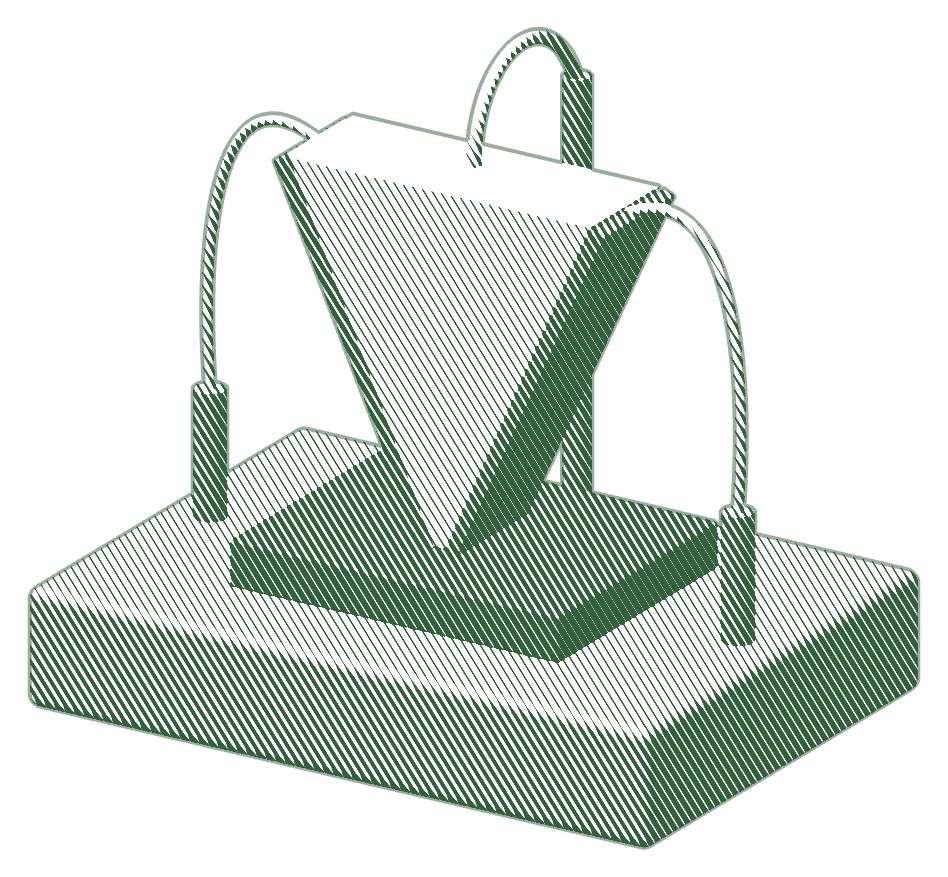
Sitting in business school, Hunter asked himself whether he’d rather live in the world where the transistor became publicly licensed.10 “I’m like, good. I like that.” He would not want his family to be able to “turn off the light, so to speak,” on everyone else.
AI, he says, is the counterexample: today the most powerful models are privately owned, and there’s no government incentive making them public.
14:04Who should control frontier AI?
Denis drew the line from AT&T to Anthropic and OpenAI. Intelligence is becoming a commodity: without frontier models, work that takes him hours would take weeks. If the labs close AI off through policy, they own it, as AT&T owned the network. But if everyone has it, what happens when a bad actor does?

Hunter agrees it’s hard. He won’t touch uncensored models himself; he has no use for them.
16:07“I wish I could give them Claude”
Last summer Hunter interned as a public defender in Chicago and Dallas, visiting people in jail. Watching people in confinement with nothing to do, he kept thinking the same thing:
I was like, man, I wish I could give them Claude.

Many of the people he met struggled to show up to court on time, let alone understand why they were charged. He found them some of the nicest people he’d met, and he doesn’t believe they’re predisposed to doing harm.
We imagine the release of open models “like a bomb going off,” he says, “but it really would be like multiple small bombs across a period of time.” His answer is incentives: bounties big enough that people go and solve the problem, “not to go break into Goldman Sachs.” It’s “worth rebuilding the economy around.”
21:52Hegelion: thesis, antithesis, synthesis
One of Hunter’s first projects to get attention was Hegelion: “forced dialecticism for LLMs,” thesis, antithesis, synthesis.13 He walks through it with a case from jail. Someone is locked up for two months for stealing deodorant from Target, for the fourth time, after taking a bad plea deal.
Thesis: that’s unfair. Antithesis: there was an earlier chance not to go to jail for the same thing. Synthesis: what does it teach? Maybe that he isn’t patient.
Maybe Claude can teach you about context windows. And you can learn about your own context window.
He has seen specialty courts for addiction and compulsive stealing work when the government invests in them.14 Maybe, he wonders, that’s what closed models are for: rehabilitation. “Am I talking myself into a new product?”
24:45Bad actors vs. surveillance states
Denis is less trusting. He thinks people are predictable, and that someone motivated to do harm, given a large amount of intelligence, could do something terrible that’s hard to trace.

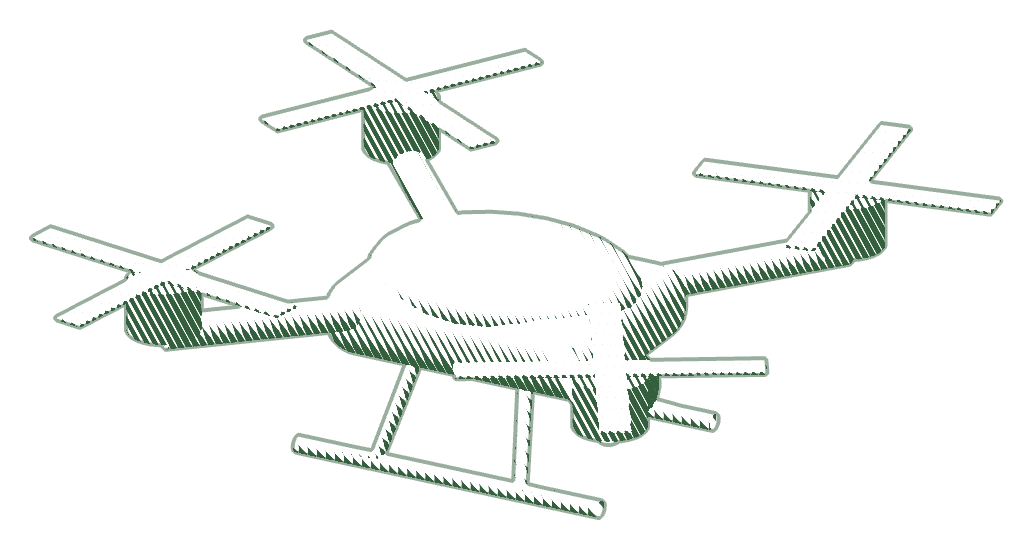
The alternative worries Hunter more: one corporation holding all the money and all the intelligence could donate to both parties and “literally control the entire apparatus.”15 Both are concerning, they agree. There is no correct answer.
27:09The student who built a gun detector
Hunter remembers a student who surprised him every day: very smart, anxious to be seen as smart, and the one he’d have expected to try to get away with things. After the school shooting drills teachers in Texas go through, that student came to him with a computer vision program that could tell if there was a gun in a backpack, at a 98% success rate, built with the same approach as his lung cancer radiology projects.16

It’s the same mind that can do crime is also the same mind that can be a really good attorney.
The answer, for Hunter, is earlier intervention, and economic incentives that make doing the right thing pay.
32:28Building CodeWhale
CodeWhale, Hunter’s open-source terminal agent, is now around a million and a half lines of code.17 “It’s not something that should be possible,” he says, given he had no software engineering background.

It started from frustration with Claude’s memory feature bringing up things that had nothing to do with the task,18 and curiosity about what around a model changes how it behaves. After building a tool for MiniMax, he built one for DeepSeek:19 a small project for five months, preparing for the V4 release20 and asking what you’d do with a model once it’s cheap enough that you stop thinking about running it.
35:14The tweet that went viral in China
As a second-year law student frustrated with the IP system, Hunter had two margaritas after his copyright exam at the Mexican restaurant in Dallas where he was a regular. He wanted to talk to Chinese DeepSeek fans about his project, and worked out a tweet with DeepSeek’s help.
At some point one of us hallucinated, either me or DeepSeek.
DeepSeek convinced him its fans called themselves “whale brothers.” They didn’t.21 He tweeted anyway, introducing himself as a whale brother and asking for help setting up WeChat,22 and “all of Chinese Twitter, from my perspective, was immediately aware of this.”
He was about to go to China for the second time, to speak at three conferences, one of them about Rust.23 “I can’t speak Chinese and I can’t read Rust. What the hell am I doing?”
What keeps him going are the messages, like one from a middle-aged man in a rural town who knew nothing about tech, started tinkering, and is now applying for a job in ERP management.
40:03China: bots, culture shock, one-person companies
Going viral brought offers to buy his account from influencer bot networks, and left him with “a lot of healthy respect for the Chinese people and the Chinese government”: what he saw was more coordinated than anything he’d done. It was also culture shock: “I did not realize how American I was until I was in China,” down to people insisting on carrying his bags.

He visited a government-sponsored one-person company center in Guangzhou, one of many: office buildings repurposed for citizens building one-person companies with AI,24 some working on frameworks for AI citizenship.25 Denis called it progressive: ask his own government for help building a one-person company, he said, and they’d ask what you’re talking about.
Again and again, Hunter says, he could draw the positive inference or the negative one. “It’s disarming to come into contact with something more organized than what you’ve experienced.”
47:28Open source as strategy
Support for open source in China is huge, especially from the government.26 Hunter’s sense is that some Chinese developers see open source as “the PC thing,” how you stay in good graces, and some are distrustful of it. Denis raised a theory he keeps reading online: that China is waging a cold AI war, giving away cheaply what US labs spend fortunes to train.27 Hunter thinks it’s more complicated: the team behind GLM could surely make a lot of money if they kept their models closed.28
50:38Patents and the disclosure system
Hunter’s theory starts with patents. America, he argues, was built on its patent system, and the most valuable patents in the world are still American.29 A patent isn’t the right to use an idea, only the right to stop others, and it has to be disclosed.30
How do you win the next century? You make the new disclosure system that establishes economic dominance.
Whoever holds the research before it’s disclosed holds the power, and the effects run downstream: which universities lead, who donors back, where Jensen Huang speaks at commencement. As an American he loves open source, and he respects the strategy behind it. Denis compared it to a solo developer giving work away to win a community before they can compete on money.
58:14Going to China as an American
Denis asked whether he worries about how his own government sees his trips, especially now. It definitely worries his mom. There were moments he was afraid, and questions phrased to trap him, like: your great-grandfather announced the transistor and you use DeepSeek, so isn’t China better than America? “No.”
And one more reassurance:
1:01:32I look too close to J.D. Vance. … It’d be like, wow, American who looks like J.D. Vance now held captive in China. I don’t think they want to do that.
Nemotron and synthetic data
Asked for a favorite, Hunter shouts out NVIDIA’s Nemotron models. NVIDIA builds them in the open, with a whole synthetic data pipeline, which answered the open question of how far synthetic data can go.31 They also publish what they use, so anyone can train a model “the Nemo way.”32 The architecture he doesn’t fully understand: “I just know it makes tokens go fast.”33
1:03:50Wrapping up: contribute to CodeWhale
Hunter wants to hear from anyone living on the cutting edge,34 and if you’re looking for an open-source project to contribute to, CodeWhale is the place.35
I am, from my perspective, the nicest maintainer of all of GitHub in that I know that I don’t know what I’m doing.
No single company can cover every use case for an agent, he says, which is why he wants the whole world building it. Denis, closing: Hunter went from A to W instantly with CodeWhale. Maybe there’ll be a part two.
Sources
- 1
Hunter Bown’s profileBluesky
- 2
Language Models are Few-Shot LearnersBrown et al., OpenAI, 2020
Introducing ChatGPTOpenAI, November 30, 2022
- 3
He built an agent with DeepSeek-V4 and hit #1 on GitHub Trending (in Chinese)ZhiDongXi, on Huxiu, May 6, 2026
- 4
Written testimony to the Financial Crisis Inquiry CommissionRichard M. Bowen III, April 7, 2010
Tenth Anniversary of Speaking to UTD Cohort Full-Time MBA ProgramRichard M. Bowen, September 1, 2023
We believe the speaker was Richard M. Bowen III, the Citigroup whistleblower: Hunter did his MBA at UT Dallas, where Bowen speaks to the incoming class every August, including in 2022.
- 5
Behind the plot to break Nvidia’s grip on AI by targeting softwareReuters, March 25, 2024
- 6
Speculations Concerning the First Ultraintelligent MachineI. J. Good, Advances in Computers, 1965
- 7
Ralph BownIEEE History Center
Patents by Ralph BownGoogle Patents
Our source-check found the number of patents held was 28 U.S. patents, an even more impressive number.
- 8
Bell Labs historyNokia Bell Labs
- 9
1947: Invention of the Point-Contact TransistorComputer History Museum
- 10
1952: Bell Labs Licenses Transistor TechnologyComputer History Museum
How Antitrust Enforcement Can Spur Innovation: Bell Labs and the 1956 Consent DecreeWatzinger, Fackler, Nagler and Schnitzer, American Economic Journal: Economic Policy, 2020
- 11
US 2,524,035: Three-electrode circuit element utilizing semiconductive materialsGoogle Patents, filed June 17, 1948
True Genius: The Life and Science of John Bardeen, chapter 9Lillian Hoddeson and Vicki Daitch, National Academies Press, 2002
- 12
The American Telephone and Telegraph Company DivestitureCongressional Research Service, April 11, 1984
- 13
HegelionHunter Bown, GitHub
- 14
Drug Treatment CourtsNational Institute of Justice, May 2025
Specialty CourtsDallas County Public Defender’s Office
- 15
Groups tied to OpenAI and Anthropic are spending big on the midtermsNPR, June 22, 2026
- 16
Transfer learning using convolutional neural networks for object classification within X-ray baggage security imageryAkçay, Kundegorski, Devereux and Breckon, IEEE ICIP, 2016
End-to-end lung cancer screening with three-dimensional deep learning on low-dose chest computed tomographyArdila et al., Nature Medicine, 2019
- 17
CodeWhaleGitHub
- 18
Bringing memory to ClaudeAnthropic, September 11, 2025
- 19
MiniMax-CLIHunter Bown, GitHub
CodeWhale’s historyGitHub
- 20
DeepSeek V4 Preview ReleaseDeepSeek, April 24, 2026
- 21
The “Whale Bro” who couldn’t code: an interview with Hunter Bown (in Chinese)InfoQ China, June 2, 2026
- 22
“鲸鱼兄弟们好” (“Hello, whale brothers”)Hunter Bown on X, April 30, 2026
- 23
Rust as an Ecosystem-BuilderRustChinaConf 2026, Shenzhen, October 17, 2026
A New Era of InventorsGOSIM Shenzhen 2026, October 16, 2026
- 24
Guangdong rolls out action plan to speed up development for AI-powered OPCsInfo Guangdong, March 18, 2026
One’s company: AI-enabled one-person startups boomingXinhua, May 28, 2026
- 25
From digital citizens to agent citizens (in Chinese)Chinese Social Sciences Net, August 19, 2026
Seven national standards for connecting AI agents (in Chinese)Science and Technology Daily, June 26, 2026
- 26
Opinions on Deepening the “AI+” Initiative (in Chinese)State Council of China, August 2025
Opinions on Deepening the “AI+” Initiative, translatedCSET, Georgetown University, September 2025
- 27
Two Loops: How China’s Open AI Strategy Reinforces Its Industrial DominanceU.S.-China Economic and Security Review Commission, March 2026
China’s open-source betMIT Technology Review, April 21, 2026
- 28
GLM-5.2Z.ai, Hugging Face
China AI Developer Zhipu Hits Record $112 Billion ValuationCaixin Global, May 29, 2026
- 29
- 30
Managing a patentUSPTO
35 U.S.C. § 112Legal Information Institute, Cornell Law School
- 31
NVIDIA Releases Open Synthetic Data Generation Pipeline for Training Large Language ModelsNVIDIA, June 14, 2024
Nemotron-4 340B Technical ReportNVIDIA, 2024
- 32
Nemotron-CC v2.1NVIDIA, Hugging Face
NVIDIA Nemotron 3: Efficient and Open IntelligenceNVIDIA, 2025
- 33
- 34
- 35
Contributing to CodeWhaleGitHub
CodeWhale’s open issuesGitHub
Full transcript
The whole conversation, as said. Click a time to hear it.
Intro
0:00 Welcome. What you're about to watch or listen to depending on the platform that you're going to be consuming this content on is a conversation with the amazing Hunter Bown. Now Hunter for me, and I think many of you are going to agree when you watch this podcast, is an amazing example of a person that goes from A to W with artificial intelligence in a domain that he has no prior experience in. What I mean by this is that Hunter is initially a law student and a music band director at a school, but he creates an open source project called CodeWhale. This project gets to 40,000 stars and more, it is still climbing, and it got him invitations to speak on some of the largest tech conferences in China.
0:48 Now he's been invited once, and as of the time that this video will be published, he is now being invited a second time to speak on more conferences. I think the conversation, even though funny at times, is important also, maybe for the fact that we discuss what happens when common people like me and himself get access to frontier intelligence. In his case, he uses it for something good, but what happens if someone with ill intention gets access to frontier intelligence?? Should we all have access to frontier intelligence, or should we instead get identity verified?? And if yes, would this lead to a surveillance state?? Me personally, I enjoy this conversation a lot, and I am more than happy.
1:41 I am actually the happiest I can be for having him as my first guest on this podcast called atow, because this is also a soft launch of my new initiative. It is more of a media initiative where I explore how artificial intelligence enhances human ability. And now, to the conversation.
Welcome, Hunter
2:03 Hi, Hunter. Thank you so much for agreeing to do this with me. As I just mentioned, you are my first guest for, this is basically the pilot for atow, the podcast that I want to officialize a little bit. So yeah, thank you for coming in. Maybe you can introduce yourself and we can go. Yeah.
From band director to law school
2:23 Oh, thanks for having me. I think the premise is so awesome and something I think about a lot with what these tools offer. I am like the, I think, a super weird example of what's possible in the AI world, like with my background to coming to now.
2:45 My most official training is in music education. So I spent seven years as a high school band director. I have two degrees in music ed. bachelor's and a master's. And I'd say like starting teaching, I thought that was going to be my permanent career, like for sure. I was pretty surprised to leave.
3:06 But I think like a lot of people around 2020, you know, life changed really fast. I was teaching wind instruments in an airborne pandemic. So it was just really challenging. And I say I totally burnt out. And so from there, I ended up actually getting an MBA.
3:31 And it was just like totally, you know, now I know that we use the term nerd sniped. It's like I was nerd sniped by GPT-3, 3.5 and whatnot, you know, like helping me learn back then and so just kind of seeing the trying to well trying to imagine a trajectory uh from there
3:57 was like okay well how can i possibly feel like i'm how can i get myself to a point where i feel like i'll be able to contribute and whatever this new future is going to be and so that led me to law school and it's just like kept getting more degrees, more and more school. And that being said, that's where I was the last two years. You know, as the tools kept getting better and better, I just kept working at it. And so I'd say if vibe coding is a skill, I have gotten like more reps than is normal. And basically just have been turning away at how do I turn some sort of idea I have in my head into something that other people can use, you know, and learning engineering, really in real time, like through that actual process of creating from having contributors like who have much more experience than me being able to point out like, Oh, we should use this convention here.
4:59 And whatnot. So yeah, it's now I'm like a pseudo online famous in China, which I If you would travel back in time about six months ago and tell me that, I think my brain would explode. Like it would make absolutely no sense to me.
5:20 But it's a, I don't know, my whole life, the last really five months has been just a total, what's the word I'm looking for? Like tour de force of the ability of the internet and of AI. to accelerate what you have in your head to get out into the world. So hopefully that explains a little bit of what I'm doing.
5:49 I think it does. So I have, man, I have a lot of questions now. First of all, I want to share my perception of you. I mean, we follow each other on X, right? And one day I see some of your posts blowing up about a terminal agent, which is called Well, which is your project. right and then in a couple of weeks i see you on a stage in china
6:14 which i think very well uh fits into the description of the power of the internet like the description of what the internet can do although um you said that you were a music teacher before that and then you went into law and you said the idea of you going into law was because you
First contact with GPT
6:34 saw the power of GPT-3 and 3.5. It is very rare for someone to kind of understand because the general premise around 3 and 3.5 was, well, this does not work. This is so s***ty. It is just a token predictor or anything. And you saw this magic, I assume, that it looks like magic. Can you maybe share your first experience with artificial intelligence in this way?
7:04 You know, I think I remember it pretty well, like the first time that I was, I don't want to say like taken aback by the tech itself, but more of just like how we tend to have these kind of like, everything feels very recursive right now. It was very recursive in that it was self-referential. I was, it must have been like the first week.
7:29 It was right whenever I started my MBA. So this is like fall of 2022. Um, and we actually got to have a presentation from a whistleblower from the 2008 financial crisis. And he was, uh, you know, it's a good way of scaring future business students into doing the right thing. I think it was pretty smart of my school. Uh, like basically, you know, uh, before we've had any encounter with any actual corporations or anything, getting to hear from someone who was in the board meetings and could see that subprime mortgages were not working, that it was stuff against their corporate bylaws, against the law, everything like that. And even his story of him talking about whistleblowing and still not being able to do anything.
8:23 It was like, whoa, that is crazy. This is a guy in front of me who wanted to do the right thing and one of the biggest corporations at the time at this super pivotal point for our society, at least. I think we can all say that the 08 financial crisis has economically shaped a lot of where we've ended up today geopolitically too. and so it was kind of like this weird downstream oh my god this guy wow this is really changing my perspective on this and seeing AI coming up and kind of like imagining this future where okay what if NVIDIA takes over the world with CUDA and it's kind of fast and now there's not actually a competitor we still have AMD but because like xyz protections and corporate governance practices and whatever it was like i just i wanted to figure out like how the heck is someone going to even be able to entangle all this you know seeing the dominance that nvidia had still has um and trying to figure out like is there going to be a way once this gets going you know you hear about the idea of like recursively improving intelligence even back then and it was almost like this like mental experiment of okay well, if this happens, then the law will probably do this because of this.
9:52 And that means that unless there is X person in Y position of power, potentially, robot takeover and not us losing our ability to intervene before the mechanisms just take over.
10:12 And I'd say a lot of that too is
Bell Labs, the transistor and the AT&T breakup
10:17 background because it's like I don't think it's normal to walk around thinking about like antitrust with regard to huge tech. But my great grandfather worked for Bell Labs and announced the transistor and I got to hear all about it growing up about how he was like the coolest person. I mean it is pretty cool. You know it's like oh he was an inventor. He invents the remote control which is like not true but he did all this other stuff. And the perspective of my family at the time was oh, the government screwed us over because of the breakup of AT&T. And he had 13 or so patents with them.
10:54 And so you can start doing the math and it's like, okay, so if you're one of the few families that were some sort of AT&T executive from 1940 or so to 1980, I guess the government it did screw you over in that way. And so it's like this weird thing where I'm sitting there as a privileged enough individual to be in business school, you know, getting a graduate degree and thinking, oh, wow, like, do I think that the world where I live, where the transistor became publicly licensed is good or bad? I'm like, good. I like that. Would I rather be like super rich and like heir to the throne of AT&T of like, you know, you think about him, one of, if Elon Musk only had three progeny, you know, or something.
11:45 Okay. Would I like to be that rich? I'm like, I guess, but would I want to live in the world where my family actually can turn off the light, so to speak of anything? Like, no, I know my family. Like I love them, but no, like there is no reason for anyone related to me to have some sort of like more power or more economic ability in today's world and uh because of something he did you know and so it was kind of like this just realization of okay well if i wouldn't if i don't want to live in the dystopian alternate universe where at&t never got broken up where you know you had to go through at&t for anything just to get a
12:36 whenever you think about that, it's like, what would that even look like? Like, it's just a very intriguing question to me because our world is so built on it that the idea that it could stay private is like, to me, it was mind boggling. And so it was like this amazing counterexample in a way with AI of, okay, well, right now this, the most powerful AIs are privately owned. actually there is not a direct effort to make them public there is no government incentive right now you know that's powerful enough uh that's making that happen and so it's this weird little uh
13:17 mission of like you know if if you see something say something i guess like i i know that i'm the only person who's had this weird life experience of growing up and being intelligent enough to have this education but and having a family background where in a different universe I'm like so well off that I never even have to think about any of this stuff and I like getting to think about this stuff you know I think it's fun like I like getting to live in this world so yeah that hopefully explains it a little bit more too. It does give me a picture of why you're interested in AI.
13:58 So, man, there are so many
Who should control frontier AI?
14:03 paths this conversation can go, but let's go back a little bit. MBA, right? The AT&T breakup. The same thing seems to be happening right now with Anthropic and OpenAI. These are the leading labs. And I have been thinking about this a lot as well. What happens if they are given so much power because intelligence as a, you know,
14:31 as a, I don't know, a currency, commodity, as a commodity is very, very, very important. And for example, if I want to do my job right now, if I did not have access to frontier intelligence, I would have taken weeks to finish something that takes me a couple of hours maybe at most right now. And I was thinking about this a lot. What happens if, because to me it seems like they are trying to do this with AI policy and all that. They are trying to close the AI so that they own it, like the AT&T example, right? But on the other hand, I also have my strong fears that if this capable intelligence is given to me as a person and I am a bad actor, right?
15:18 I want to do something bad to this world. What do we do then? How do we defend against this? So this is, I guess, the eternal question right now. Do we allow them to control all the AI or do we want people to also have access to AI that is open source and so on?
15:36 maybe giving people so much power, let's say. Yeah, I think it's so challenging because I think you're totally right. I'm afraid to touch those obliterated models. I don't even want to see. It's like something where I don't have any use case for that right now to that level. And so I agree with you that when you think about the same way,
“I wish I could give them Claude”
16:06 why bad actor um so i guess this is where my life experience does all start to come into play because i spent last summer as a public defender intern so i was like literally spending time in jails um working with people both on misdemeanors and felonies and like got to see the the core of the i was in chicago and dallas so two two large enough cities to where i feel pretty comfortable to the criminal justice system in America now. And I will say half the time when I was visiting people with my attorney, not my attorney, but the attorney I was working with or shadowing,
16:50 all I could think was, because they're in confinement, have nothing to do, a lot of the times yelling, just making sounds. I was like, man, I wish I could give them Claude. I wish these people could have
17:07 to talk to or like work through these ideas with because like I bet they have a lot of questions you know like whenever because when you're talking to people who are at that state of mind and at that level you know it's a challenge for them to show up to court on time let alone to understand the full reasons why they're being charged with something whenever they've probably committed plenty of crimes in their life and this is the first time they've been caught because they've
17:36 And so it's weird because I'm like, I spent all of last summer around criminals. I thought they were super nice, like some of the coolest people. I mean, when I'm talking to them about what they're doing, them trying to give me career advice, you know, as I'm talking through all my weird things.
17:55 And I just, I have such a hard time believing that just because someone has been in that situation, that they would be predisposed to now doing bad things.
18:09 So it's a little bit of a Pollyannish, like, you know, to kill a mockingbird answer of like the public defender that is still in me. But I still just, I think it's a time thing in a way. Like it's very scary to us because we imagine the release of these models as like a bomb going off. But it really would be like multiple small bombs across a period of time. And we also just have to have the economic incentives to be strong enough to where if there is an open model that gets released, well, people put up bounties that are worth enough to where, okay, now people have an incentive to go try to solve the problem, not to go break into Goldman Sachs.
18:52 So I think it's something that's worth rebuilding the economy around. And we have the tools in a free market. We can have bounties. we can make it economically more viable and attractive to do the right thing than to do the wrong thing. Because, like I said, just from my own experience with, I mean,
19:17 it's the teacher in me and the public defender in this, you know, where it's like half the time I would like look at people in jail and I would think I'm like, oh man, I wish I could have taught them band. Like, I wish I could have taught them in a classroom because I had to teach kids how to sit still, make eye contact, how to respond to an email without cussing me out. Like all of these life skills that lead them to not ending up in jail, lead them to not committing crimes, to being in an economic situation to where it's the logical thing to do something bad.
19:52 So, yeah, I definitely, it concerns me, but it also, I think that we will find out if humanity is aligned either which way. Because it'll either bubble up to the top, or we'll find it out by enough people getting to make their own decisions.
20:23 So, I mean, I am, again, too conflicted, I mean, about what exactly to say, because, I mean, your answers are, pretty good and they're covering multiple areas which i would like to expand to but so you're saying that uh as i get it you believe that people can be instead taught what is logical logically better for them like in a way like game theory and you believe that those criminals who are criminals they just lack something in their childhood and this is why they come to the to do something dangerous to someone.
21:05 Yeah, that's a good summary of it. You know, and not even, I don't even know necessarily that they want to. You know, it's like they end up with an act. Yeah, that they do. You know, but yeah, I think that's, I mean, I've had experiences myself. I'm sure you probably have too, where it's like, I'll spin myself out. Like, sorry, I'm running too many LLMs apparently.
21:31 force quit something sorry it's okay hopefully that wasn't too bad yeah it's like i i mean if we can get people set up to be able to actually
Hegelion: thesis, antithesis, synthesis
21:51 like work through ideas you know that's one of my first projects that got a little bit of attention was uh Hegelion basically just forced dialecticism for LLMs of thesis, antithesis, synthesis. And I think that that kind of method is something that's really helpful for people because it's like, you know, if I, for example, stole something from Target and it's the fourth time and I took a really bad plea deal the last time because I thought I would never do it again. And that's what I said.
22:27 So now deodorant, you probably have a lot to uncover, you know, right? Because it's like, well, I'm really pissed that I'm in jail for two months because I stole deodorant. That's f***ed up. Like, agreed, that is f***ed up. You know, but antithesis, you were given this opportunity
22:48 to not go to jail for doing the same thing. You know, there was something in place that was supposed to teach you that, hey, you're not supposed to steal deodorant from Target. If it happens again, you're going to go to jail for real this time. And so synthesis, well, what does this teach me? Well, it teaches me I'm not very patient. It teaches me maybe Claude can teach you about context windows. And you can learn about your own context window. And like, oh man, maybe I literally just did not have in my head, if I steal deodorant, I go to jail. maybe I just had too much other stuff going on to where I literally couldn't pay attention to that anymore, which is probably pretty likely.
23:29 Um, and so it's, yeah, I just, I, you know, is that, does that take a lot of work? Would it probably take people being trained in these tools? Yeah. But I've also seen there's taxes that go to this stuff. You know, I got to sit in all these incredible like specialty courts, you know, for alcoholism or drug addiction or even like compulsive stealing. And when the government puts effort towards this, it's really impressive and successful. You know, people are getting these kind of like one-on-one interventions and they'll have someone dedicated to checking their ankle or their ankle bracelet or whatever, you know, next time. And if they're not there at whatever time, then they're potentially going to get a fine.
24:18 And that's where I think some of this could be helpful is like, well, maybe this is what closed-source models are for, is for, we should have one that is for rehabilitating people who want to commit crimes, or not want to, but end up committing crimes. So yeah, it's a, maybe am i talking myself into a new product maybe maybe yes um but um i i'm actually
Bad actors vs. surveillance states
24:44 confused as to how how different our uh mentalities are because uh i won't get into me right now because i'm interviewing you but i personally think people are uh first predictable and uh second if you are a bad person by heart you cannot change but let's not get into this but the thing that i want to say here the the thing that i want to say here is that let's say that those psychopaths let's say uh people who are mentally unwell who are willing to do bad things let's say ted kaczynski and the likes uh those people they would be given great um you know a large amount of intelligence that if they are willing and they are motivated they they can do anything that they want and i can give you an example for example i can program a drone leave it next to my school for example leave it for two months i guess the battery won't last that that long but let's say leave it a few days and then i go somewhere so i have my alibi and then i can start my drone remotely and i can bomb the school it will be very hard for the police to figure out that it was me and yeah i was thinking um this is a danger in our society right now but what happens if as as you said earlier the whole world changes like the at&t does not break down it it stays as it is what if has all the power what happens then then we have surveillance state i assume uh yeah right yeah yeah and then i mean in america especially you can have a complete takeover of both branches of government you know because if you have all the money in one corporation that controls all the intelligence, you just donate money to both sides and literally control the entire apparatus.
26:29 So it's, yeah, that's why to me that part is scarier because it's like, then it's- You are more concerned about, yeah, I'm sorry, I spoke over you, but you are more concerned about surveillance data rather than individuals having high ability. Yeah, well, I think so.
26:58 Because, yeah, that's challenging. It's like, I think both are concerning. Like the downstream effect, I think, of either one.
The student who built a gun detector
27:09 Yeah. There is no correct answer here. Right. No, there's really not. And that's where I think about this one student I had who surprised me every day. If I ever thought humans were predictable, this student would consistently change my mind.
27:37 He ended up leaving the program, which is usually how it goes, like left band, but took up a lot of my attention. like uh was very very smart very concerned with other students thinking he was smart and other adults thinking he was smart and i just remember this was like right around the pandemic so you know
27:57 hey this might sound unfamiliar to you but in texas um teaching there guns are super commonplace obviously you know with the texas thing but like as a teacher i went through, I mean, at least three to four school shooting trainings where they board you in a room and you have to like, there's a cop there who's pretending to try to shoot everyone and they're like breaking in the room, whatever, bam, bam. And so kids naturally develop a lot of anxiety around that, especially the ones who are aware.
28:35 And so he came in one day and he's like, Mr. Bown, Mr. Bown, I made this program that uses computer vision and can tell if there's a gun in someone's backpack. And I'm like, what? What are you talking about?
28:51 He's like, no, I've been testing it and it has this 98% success rate. I'm using the same thing I'm using in my cancer applications because he was trying to do all this like lung cancer, you know, radiology kind of stuff. And so I, and I will say this out of all the students, that is not one that I would expect to not do crime.
29:13 I like that's the one where I would have dealt with him like trying to get away with stuff with me like seeing him his relationship to authority and it's like oh I'm worried about you like you might try to get away with something one day you know but that was the student who's coming in with the ideas about how to stop the school shooters so like it's the same mind that can do crime is also the same mind that can be a really good attorney because you have to think through it. And so that's where it's like just the earlier intervention possible with the skills that they're using because the way that you're saying that you can do crime is different than the way that I could do crime with AI. I'm like, damn, that's really smart.
29:57 He could do a totally different thing. So we have totally different perspectives about where this can have different wrinkles or different potential negative effects. And so It's like, yeah, again, it's like, how can we economically incentivize this in some way? Is it like, is it a bounty out there? Like, is that a system that can help, you know?
30:22 Is there some company that through the dynamicism of the free market pops up and is like, well, I'm going to stop all people who want to make drones go kill people in civilian zones? maybe I think that it would logically make money you know at that point
30:42 but yeah I definitely share the same worry and just like experience of like living in this world where we wake up every day and it's a new
30:52 everything you know and so yeah I'm curious what you think personally a very trusting person and i always assume that a person i don't know for example might want to do something bad and that they're capable of doing it probably and i don't know if this is a cultural thing but this is just how i think and to me anyone having access to frontier intelligence is just a nightmare yeah uh but at the same time as you said this this this child that is uh you are worried that it is going to try to cover up something one day has the same mind as the person trying to solve this thing right it did try to solve something that uh you know it is capable of so it is very hard for me to come to a conclusion i'm searching for this conclusion i can't find it because it is obviously good for us. You're a perfect example with this.
31:56 You coded a terminal agent, CodeWhale, right? I assume you did not have that much experience in software engineering. No, not at all. And it is a one and a half million line of code project now. So it's, yeah, it's not something that should be possible. Exactly. And you have like 45 ,000 stars, I think, something like that, no?
32:21 It is genuinely a good project. So you went the idea of this podcast from A to W in an instant, right?
Building CodeWhale
32:28 So it elevated your ability. And this is something amazing. This is something beautiful. And I think this should stay. I'm just worried how we can make this, you know, in a way that it can make sense. But yeah, this is, I can ramble for longer, but CodeWhale, I mentioned CodeWhale. And can you tell me about the idea behind CodeWhale and why specifically with open models? Yeah, absolutely. It's the same motivation really driving it as far as wanting to get tools to people. And I was really just intrigued about the idea of what around a model makes it behave differently so that I have a different experience. That's how I ended up with the Hegelion project and other stuff before that. And was really experimenting with like, I think it must have been right around whenever the Claude memory stuff came out. usually trace most of my projects back to some time I got really frustrated and I think it was like through the experience of like yeah what the hell it's like I told you that like a week ago that has nothing to do with this right oh screw this like and just starting to think like oh I don't like Anthropic doing all this about me like that's like totally irrelevant like this model isn't even smart enough to deal with having this information I gave it and I was really excited about the latest DeepSeek release. And so it was right after I had made a mini Max one.
34:07 And so I'm like, okay, now I'm going to do, I had just done red version. I'm like, I'm going to do blue version. And so that's a DeepSeek TUI. And it was like a super small nothing project for the first five months of it. It was basically just, you know, little by little trying to prepare it for the new DeepSeek release knowing that v4 was going to come out um but also like being really intrigued by what becomes possible once it's a certain price like once i no longer think about this running at all what are the questions that i would ask something to do and so i wanted to have my own tool um where i could experiment with that basically
34:56 So then as a second-year law student who took a billion IP classes and was getting very frustrated with the IP system, I got margaritas right after my copyright exam, but I did
The tweet that went viral in China
35:15 not do very well enough. And I'm sitting there, two margaritas and pretty drunk, Like at my typical Mexican restaurant, I would always go to in Dallas. And I'm just like, oh man, like, oh, and this is, I'm sure you remember on X whenever all the Japanese people were going viral for talking about Texas barbecue. So this is like right around that time. And so like my drunken self is like, I'm Texan. What do I need right now? Like they seem, people seem to be interested in Texas. Like, okay, well, like, let me work through this. and I want to talk to Chinese people about DeepSeek
35:56 because I have DeepSeek TUI live and I want to talk to them about it. And so that's, I'm, you know, at the bar, probably talking to the guy Johnny about anime and like talking to DeepSeek at the same time and trying to work out this tweet of, okay, I really want to try to communicate with DeepSeek fans.
36:21 and at some point one of us hallucinated, either me or DeepSeek and it convinces me that DeepSeek fans call themselves whale brothers and that this is very definitively a thing that is true. It's like, yeah, this is what they call themselves. This is not true at all. No one had ever done that.
36:44 And so my tweet, which is basically just like, hey, I'm Hunter, you know, I'm I'm a whale brother. I made DeepSeek TUI. I want to talk to all my whale brother friends in China on WeChat. Can you please help me get WeChat set up? And just whatever spell that cast, it works. And all of Chinese Twitter, from my perspective, was immediately aware of this. and so I think I remember like uh like walking right before I walk home I'm like showing it to the bartender I'm like dude look at this I'm like I don't know what's going on I'm like I think I'm going like really viral in China and he's like okay whatever um and that may have been the last time I went there which is crazy because I would go there like once a week like for like two years two or three years. I was like a regular, regular.
37:43 I would walk in and they would just put my food on the bar. Yeah. So that gives you an idea of how much my life has changed from that one little viral tweet. I went from being a regular at Camposano's in law school to now I'm going to China for the second time next week, talking at three conferences, one of which is a Rust
38:11 I can't speak Chinese and I can't read Rust. What the hell am I doing? But yeah, it's an awesome project. I both love it and hate it in that it takes up so much of my time, so much of my energy. But any time that I find myself having any anxiety about it, whether it's economic or whether it's just like, am I doing a good enough job or do people even care? I'll get like the sweetest message or email from someone that's just like so abnormally specific and so thoughtfully crafted where I'm like, oh my God, you just like hit every button in my heart. That is why I want to be doing this.
38:58 You know, like, oh, I'm a middle-aged guy who lives in this rural town of China. I don't know anything about tech, but I learned about Peter Steinberger and OpenClaw, and I've been tinkering with this for this time. But it didn't support DeepSeek enough, so I didn't use it. But now I am, and I'm applying for this job for ERP management. And I'm like, damn, what the hell? This dude went from saying he doesn't have a job to dealing with SAP and s***, like like legitimate software, you know?
39:30 And that to me is the most exciting part of like, okay, well, just this small action from me of trying to put more distributed intelligence out into the world of like, if there can be tools that people can more natively use that get them access to the latest DeepSeek model and now anything,
39:48 that to me is a net positive. And now I get to go meet those people. So it's been just like the craziest like Cinderella coding story ever.
39:58 No, it truly is. It truly is. And what you said about hitting the specific
China: bots, culture shock, one-person companies
40:02 parts in your, that all the parts in your, that would just light up when you, when you read this, this is, this is, this is amazing. And again, I can make a analogy with how I think I would think that I am being targeted by Chinese spies.
40:20 You should be getting this. Oh yeah. And I've learned so much about the whole ecosystem. I mean, because I have the people trying to hack me with Calendly or whatever, which we all get now. Then I have, there's huge influencer bot networks associated with China that I was not aware of. Where as soon as I went viral, I had people offering to buy my account. um like basically it exists and i there is um i have come away from this with like
41:01 a lot of healthy respect for the chinese people in the chinese government is what i would say because you know it is uh absolutely overwhelming it is more coordinated than anything i've done in my entire life um but then like you said like i was saying it's like there's these individual where I'm like, well, this is, what? Oh my God, why am I crying reading an email that I just translated poorly from Google in Chinese? And, you know, like why? It's really crazy.
41:38 And I, you know, getting to go to China last time, total culture shock for me. Like extreme, extreme culture shock because I did not realize how American I was until I was in China. And I'm like, you know, people are insistent on carrying my bags. And I'm like, no, I like carrying my bags. That's like my freedom. Like, you're America. You don't know, I don't have a gun in there. Obviously, I don't have a gun. I'm in China. Like, I don't even have a gun here in America where I could. But it's like just all these kind of like instincts
42:20 of myself that I had never fought up against. So then whenever you encounter it, I think you're totally right. Like there were plenty of times where I'm like, why do you want my stuff? What do you want to see this for? Like, you know, why am I on this Wi-Fi network? Like you start to really go through all of the game theory of it. And it was also my first time like with direct interaction with the Chinese government. If you go to a one-person company center, it's something that is sponsored by the government. They have all of these office buildings that have been repurposed for Chinese citizens to go there and try to develop one-person companies using AI. And it's the weirdest thing
43:06 Crawfish and stuff. Oh, sorry. I can stop that. It's like you go to China and it's like, yeah, this is how we function. And I'm like, oh, okay. Wow, that's crazy. But then it's become more normal to me. Yeah. It's these like government buildings and you go there and you have an office and you get to just like work with AI and make a one person company.
43:30 What? Yeah. This is f***ing insane yeah and it's like they have one in like every city from from my perspective the first the one i went to was in guangzhou and it was one of many in guangzhou like it's an entire network and the things they were working on were like things that would
43:54 that would show up in the new york times i guess like oh i'm working on ai citizenship this is my you know here's my ai citizen model citizen here like actually working out frameworks for how to deal with this in both legal and business senses that like
44:12 we aren't dealing with those ideas because of i mean a lot of reasons i don't know if i don't know if i haven't even thought about if they should be citizens or not i haven't even like i'm too hung up on the other things and there's a one-person company solely focused on that in China with government support.
44:35 I don't know the extent of the government support, but I mean, I know it was a nice building and like, I'm not, I don't know if they pay tuition or anything like that, but it's like, it's still the fact that they're thinking that far ahead, like, is like, I was like, damn, we need that. Everyone needs that.
44:56 Everyone is trying to achieve this. and people they're just like i want to make enough money so i can do whatever i want to do and the chinese government seems to me like they're like you want to do something fine go ahead and do it you know here's my support which is this is progressive i mean this is quite progressive if you uh if you think about it i am wondering about these incentives obviously uh but maybe it is just a well-established society where uh you know this is a thing that is possible and it is incomprehensible to us because if i go to my government and i say hey help me build a one person company they'll be like what are you talking about why exactly yeah so so so this this is quite the cultural shock uh i can agree but yeah please go on if you had said because i
45:54 Okay, but I mean, that's kind of an example of, you basically talked through every stage of my experience where it's like, oh my God, this is crazy. Is this like a spy shop? Like the most extreme thing. But then it's like, wait, hold on. It's like in a working society, this should be happening right now. Like if you're aware, yeah, you should be empowering people to try to make their own thing. I mean, of course. Like, so that's what is so interesting Because it's like, there were so many moments where I basically, it's like, could either make the positive inference or the negative inference. And the language barrier just does not help at all.
46:36 That's why I really, I need to get my AirPods or whatever set up or an app. I just need to get a local LLM. That's what I need to do. To where I can have like an always on translator. because when I had a translator with me, it was really not something I even thought of because you can stay enough in conversation. You don't feel like anything is being hidden from you.
47:08 But it's very strange because it's disarming to come into contact with something more organized than what you've experienced. It's very, it's just like, whoa, whoa, whoa.
Open source as strategy
47:29 Because it looks on purpose, but it might not be that on purpose. It might just be organized. It might just be like, oh, well, maybe they actually are just sort of set up things. Okay, got it. Maybe it's not all spun up around, you know.
47:51 But yeah, it's, it's so interesting. And the support for open source there is so big, especially from the government in a huge way. Like, I find that the researchers themselves are not necessarily like the most,
48:08 like, well, let me put it this way. Like I perceive the Chinese developers as feeling like open source is like the PC thing. Like, oh, we have to be open source. Like this is what we have to do. This is how you stay in good graces with the government. And so it's really interesting because it's like, oh, so that's like the incentive structure of open source over there has turned to this where now it's even, they can be a little bit distrustful of it like why why do we need to be open source you know are they are i i i mean because hold up because there are a lot of theories online right how the u .s government is spending so much money on training those models and uh china is basically in a way
49:01 waging a cold AI war against them so that if they give what the US has spent trillions to train, but for slightly, I mean, a lot cheaper than they are just burning them, not burning them, but bleeding them, bleeding their cash. So, you know, what and now that you're saying that there are some Chinese developers who are like, why are we doing this open source? Why are we why don't we close it it goes against what I'm used to reading online all the time yeah I think that it's basically like it's just it's more complicated than you would expect like where there are likely researchers in China who
49:46 don't agree with the way that they're being managed in the same way that like over here we have researchers who don't agree with and how it's being handled.
49:59 Because I mean, imagine if we were, if all of our, I guess when I imagine on the other way, I'm like, oh, I can imagine like, okay, if I'm the GLM folks and I just released GLM 5.3, there's probably part of me that's like, dude, if we had this closed source, we could make a s*** ton of money. Like, I mean, come on. Like, because of course they could. It's like, they could run it like far faster than American frontier models for a similar price, you know? And so I see it as, this is where the IP law indoctrination or lack of indoctrination
Patents and the disclosure system
50:38 has gotten me to think about this a lot. And that I think that America was built on the back of our patent system. And that we came over from England and basically made a new patent system.
51:02 So then everything we make that's new, that's theirs, we now own. We've now disclosed. So now if we become the dominant economy, our IP structure holds, which has come to be true.
51:21 I mean US patents have adjusted to fit global standards but at the end of the day the most valuable patents are American patents and I mean I have no factual basis for this this is 100% me like engaging in psychic attacks on Xi Jinping like trying to figure out what he's thinking
51:45 I should not have said psychic attacks I meant psychic engagement when I try to figure out like if I if I were in charge of China and I was trying to be competitive like if I had lower GDP if I had less productivity economically less consumption and I had potentially superior scientists, how do you win the next century?
52:21 You make the new disclosure system that establishes economic dominance. And that's what I think that they're doing. So it's complicated. On one hand, as an American, I love open source. I think it's awesome. I want to support open source. hand, I'm smart enough to see the strategy behind it because I love the patent system. And I love what that's afforded us. But I also think the patent system is way bloated. I don't know that we need multi-million dollar, multi-year litigations on custom lithography holding up the entire economy. I don't know that I like that either. So
53:12 yeah, I think they're being very smart with open source. That's what I'll say. And I respect the strategy because I think it's one that has worked for societies in the past.
53:23 Because if you can control the disclosure of information, even if you don't reap immediate economic benefit from it, you create the ecosystem in which that information propagates.
53:40 So, yeah, hopefully that makes a little bit of sense. I've thought about this way too much. It does, up to a certain point, when you're saying that, you believe that, I'm not saying what you said, but the idea is to own the disclosure system.
54:07 This is what you said, right? Or yes, I mean, I'm definitely phrasing it in a very American way. No, no, no. It's okay. I'm just trying to understand. And I'm just trying to understand what you mean by disclosure system. Do you mean that information should be public? Not should be, but that their idea is for all the information in the world to be public. Is this what you mean by disclosure system? And how do you own this if yes?
54:36 Right. What I mean is that Patents and IP and whatnot is not really a positive property right. It doesn't say, I own the ability to exercise this patent. All it says is, I can prevent someone else from using this patent. And so, theoretically, if someone patented everything and then just never enforced it,
55:07 we would have a totally free IP society, right? Because patents have to be disclosed because you have to disclose all of the parts of it, right?
55:21 And so that's what I think is that it's like a... I mean, when I know I've seen people speculating online, like, oh, wow, everyone is mysteriously way better at catch.
55:35 like economy. Hmm. Didn't the paper just drop like a month ago that totally revolutionized that? Hmm. Oh, yeah, it did. Yeah. So in a way, that's DeepSeek controlling the economy, right? Like it's downstream, but their disclosure of that information has a really, really big economic impact. And it's like once it shifts over from our side being dominant, you can start to see where, oh, well, that means whoever actually has the information,
56:15 before they disclose it, they hold all the power, right? And so it's basically the ability and then disclose it, well, then who do I want to hire? Which scientists, which universities, for which scientists are the most accredited, right? It's like there are downstream effects. And so I think it's just a longer game economically, right? Because if these papers make everything happen in the world, then the top universities in the world will probably be considered those two in Beijing instead of Harvard and Stanford.
57:02 And then who do donors donate to because they want to be attached to a university? Right? And so where does Jensen Huang go speak for commencement? Like you can start to see where, this is where I think people have this like fear of like, oh, globalization, you can see China starting to get more involved. I think it's just economic, honestly. um and that's the brilliance of it is that it's it's very economic
57:36 um right and and it makes sense i mean it does make sense it kind of uh it kind of is like that when you're a small uh like a solo developer developer for example it is a lot harder to compete with a corporation that has all the money to uh to put ads on top of your name right uh and to be in front of you and so the thing that you can do is you can try to win the community by making your work free getting enough people to uh to start respecting you maybe or know about you and then you can make the contacts and then you can uh go from there but your first step is basically to do stuff for free
Going to China as an American
58:14 because you don't have the economic ability. The capital, yeah, exactly. And it makes sense, but this is just on a larger scale with language models being so expensive. Another thing that I'm interested in is all this thing you're going to China,
58:41 and everything it is amazing i mean i'm absolutely loving it you as an american are you not uh kind of at least a bit concerned about your government what are they going to think about you uh you know with especially now under uh trump maybe uh where the premise around china is absolutely you know yeah well i definitely if i'm not worried it definitely worries my mom
59:09 where she is like having a nervous breakdown a lot of the times. And I can totally understand because it's... There were moments when I was there where I was afraid. Like where I, you know, in my little American head, I'm like, oh my God, I think this is kind of scary right now. Now that I've had distance from it,
59:35 I... I guess I'm more just curious, you know, because I mean, from my perspective, there were questions where they were trying to get me. I don't know if they were trying to get me necessarily, but like their questions would be very often phrased where something as direct as, well, your great-grandfather announced the transistor and you use DeepSeek. Doesn't that mean that DeepSeek is better than open AI and that China is better than America? And I'm like, no.
1:00:06 so they would kind of lay it all out at me like the worst possible version and I'm able to say no so that's one thing is that I mean I was still in the Shanghai Express or whatever saying these things and was able to say like if someone's asking me my favorite models like I get to shout out the NVIDIA Nemotron series and talk about what they do with synthetic data
1:00:33 and it's still true to my I think because they're open source they're releasing all this research publicly I think that that's really valuable for everyone
1:00:42 so yeah it does concern me in when I'm like not there actively engaged with it because it's like I don't know after me, things have gotten really bad.
1:01:07 Like, I get what you mean. Yeah, I get what you mean. And I would probably agree. I mean, I will agree. Right. It's also like, they really want to take, yeah, like, I look too close to J .D. Vance. Like, the story would be too, like, it'd be like, wow, American who looks like J .D. Vance now held captive in China. I don't think they want to do that. So, hoping this protects me.
Nemotron and synthetic data
1:01:32 Right, yeah. It's just that what I was about to say is that we people, we like to make ourselves more important in our heads than we actually are. So, and it is good that you can go past this, I mean, around this. And it is good. I mean, I think it might be a requirement for a healthy adult, but anyway, you said Nemotron. Can you maybe briefly go about this? why
1:02:02 oh for sure yeah I love what the NVIDIA team is doing because it's like it's so like oh yeah if you build an LLM like in a sandbox that's the wrong word to use right now but like it feels like they're like doing their project out in the open in a way that's like very shameless like you know the fact that for those not familiar NVIDIA the Nemotron series is like have this whole synthetic data pipeline. And so I think that it's a really cool example of how you can use research to push the outer limits. Because from my perspective, before Nemotron, there was kind of this open question of like, what is the value of synthetic data? Can it really be utilized to the nth degree?
1:02:54 And so by them displaying what a model is whenever it's all synthetic data, cool. Now we have this example in the market of, okay, well, this is what happens in this way.
1:03:07 And then them doing all the cool stuff that I don't understand with the cascade linear models and whatnot where it's all filling in differently than normal transformers.
1:03:18 I wish I understood it better, but I just know it makes tokens go fast. Yeah, it's really cool stuff. They have this whole open source
1:03:30 package available, where it's like, if you want to try to train your own model yourself in the Nemo way, then you can. And I just love that. Yeah, yeah, yeah. No, this is, this is good indeed. I mean, any kind of work that kind of just gives light to how something works and what the results are is just, is just good.
Wrapping up: contribute to CodeWhale
1:03:51 And hey, listen, man, since you are my first guest, and I don't know how good I am in doing podcasts, I don't also want to extend this, prolong this too much. I think we can wrap it here. Unless you want to just close off on something. If you have something that you want to share, you can go on.
1:04:16 Yeah, shoot. I mean, I love talking and thinking about AI. I don't know what the heck I'm going to be doing in the next six months. My life is so crazy. But I think that for anyone who's interested in living on this cutting edge of like,
1:04:34 wow, we really do wake up in a new world every day, huh? I'd love to just chat and get to know anyone in their perspective. And if you're ever looking for an open source project to contribute to, CodeWhale is, I think, the best place to start. I am, from my perspective, the nicest maintainer of all of GitHub in that I know that I don't know what I'm doing. So you inherently know more of what you're doing than I do. And I would love your contribution. And so would everyone who uses it. Because if the most people contribute to one project, that's where I think that we can have this kind of like group oriented, recursively improving project.
1:05:22 Because there's no possible way for even a single corporation to cover every single use case for an agent. And so that's why I think expanding it out to the entire world is a worthwhile endeavor. So I love contributors. I love talking about this stuff. and Denis I mean I just appreciate you having me and like letting me blab about all the crazy ideas in my head and I hope it sparks something no thank you very much now it sparked a lot of things in me and I really I'm very grateful for you being the first guest because as I said my idea with atow is going atow is now instant and you went atow instantly with CodeWhale so yeah thank you very much for your time, Hunter.
1:06:05 Have a lovely rest of your day and maybe we can do a part two in the future. I don't know. Thank you very much. Oh, that'd be great. Thank you.